

Port of Oakland Efficiency Boost
OCT is reporting a meaningful efficiency boost at the Port of Oakland that is reshaping how containers move through the terminals. Recent operational upgrades have started to reduce turn times and make trucking flows more predictable.
Shippers and carriers that rely on Oakland can use this environment to plan drayage and related services with greater confidence, even though overall demand and regulations still introduce some uncertainty.
Main Factors Behind the Efficiency Gain
OCT attributes the improvement to several specific changes at the port:
-
New European‑built electric cranes at the TraPac terminal, the first of their kind on the U.S. West Coast
-
Taller, faster cranes that improve vessel turnaround times
-
Export strength, with total exports surging by 10.9 percent
-
Specialized equipment for both dry goods and refrigerated agricultural products
-
Long‑term ILWU contract in place until 2028, providing labor stability and a stable gateway free from unresolved labor disputes in other regions
These upgrades work together to move boxes more quickly from ship to truck and back again while supporting higher export volumes.
Note: Operational practices, equipment deployment, export performance, and turnaround times are subject to change.
CARB Rules and Trucking Capacity
California Air Resources Board (CARB) regulations are reshaping the trucking landscape around the Port of Oakland. Emissions rules are tightening, and that has a direct effect on which tractors can legally serve ports and ramps.
OCT notes that this environment can feel tighter even when freight levels do not spike, because some older trucks are no longer eligible for certain work. The result is a market where compliance and capacity are closely linked.
How CARB Influences Available Capacity
The current regulatory landscape includes:
-
ACF (Advanced Clean Fleets) rollout that is delayed due to a federal waiver
-
CARB moving to adjust the rollout while enforcement activity continues
-
Active enforcement of the Clean Truck Check program
These conditions create potential delays for non‑compliant trucks and can limit how many units are eligible for port work at any given time.
Note: Regulatory requirements, enforcement levels, and their impact on capacity are subject to change.
OCT’s Advantage in a Changing Market
In this setting, OCT outlines several strengths that help customers navigate both efficiency gains and regulatory constraints. The focus is on reliable, compliant capacity for Port of Oakland movements.
OCT Operational Strengths
OCT highlights:
-
An asset‑based carrier model with its own fleet and in‑house drivers
-
Fully compliant equipment selected to meet current CARB requirements
-
Rigorous vetting of every truck to ensure there is no regulatory red tape at the gate
-
No gate delays for customer containers due to non‑compliant power units
This combination gives shippers a stable partner for containers, heavy machinery, and other specialized freight.
Note: Fleet size, service mix, compliance status, and operational capabilities are subject to change.
Chinese Lunar New Year: Impact on U.S. Logistics
OCT also reviews how the Chinese Lunar New Year influences U.S. logistics and Port of Oakland activity. Factory closures in Asia disrupt normal production cycles, and that disruption travels through the supply chain.
In February 2026, Chinese New Year creates a clear pattern:
-
Factory shutdowns lasting 3–4 weeks
-
Pre‑holiday rush that drives a cargo surge before closures
-
Blank sailings where routes are cancelled during the slowdown
-
U.S. logistics impact in the form of gaps and bottlenecks, with “out of stock” pockets and delays on some lanes
For Oakland, that pattern translates into changing volumes on specific services and fluctuating container availability, which makes timing and coordination especially important.
Note: Holiday timing, factory shutdown lengths, sailing schedules, and resulting volume patterns are subject to change.
OCT Special Services for Complex Freight
Beyond standard container work, OCT offers a set of special services tailored to challenging freight types at the Port of Oakland. These services are designed to handle cargo that requires more than a basic lift and haul.
Heavy Machinery Transloading
OCT provides heavy machinery transloading for large equipment that demands careful lifting, securement, and staging between vessel, rail, and truck. Protecting the cargo and keeping the move on schedule are central goals.
Note: Heavy machinery handling processes, equipment availability, and timelines are subject to change.
Container Insulation and OOG Crate Handling
Container insulation and OOG crate transloading support freight with temperature or dimensional constraints. Insulated units and out‑of‑gauge crates are managed with attention to both protection and clearance limits throughout the move.
Note: Container insulation and OOG crate handling methods, capacity, and service options are subject to change.
Coils, Reels, and Specialty Cargo
OCT’s coils and reels transloading, along with broader specialty cargo handling, addresses industrial shipments such as steel coils, reels, and large fabricated components. These loads require appropriate equipment and securement so they travel safely to the next point in the chain.
Note: Coils, reels, and specialty cargo handling capabilities and procedures are subject to change.
Core Services: Drayage, Transloading, Warehousing
OCT’s core service offering at the Port of Oakland rests on three pillars that support both everyday and project‑based freight.
Drayage
OCT’s drayage services include:
-
Port and rail ramp container service
-
Rentals, prepull, and storage options
-
HazMat and OOG drayage capability
-
Overweight container handling
-
Reefer container support
-
Local and regional coverage from Oakland
These features give shippers a flexible drayage solution that can adapt to different cargo types and service requirements.
Note: Drayage service features, geographic coverage, and equipment options are subject to change.
Transloading
OCT’s transloading solutions help bridge ocean freight and inland transport:
-
Transloading of palletized cargo
-
Handling of non palletized freight
-
Stripping and reloading of containers
-
Cross‑dock operations and short‑term storage
-
Handling of specialty cargo such as steel, coils, and machinery
This structure supports efficient transfer from imported containers into outbound truckloads or other configurations.
Note: Transloading services, commodities handled, and operating details are subject to change.
Warehousing
OCT’s warehousing near the Port of Oakland provides:
-
Racked and floor storage space
-
Capacity for palletized, crated, and oversized cargo
-
Short‑term and long‑term storage options
-
Integration with OCT drayage and transloading flows
Together, these capabilities make it easier to stage freight close to the port and manage timing between vessel arrivals and inland deliveries.
Note: Warehouse capacity, storage terms, and service availability are subject to change.
Fast Drayage Quotes with OCT
For time‑sensitive planning, OCT offers the Drayage Calculator 2.0 so shippers can obtain a drayage rate in less than 20 seconds. Users enter shipment details, submit the form, and receive instant pricing by email.
This quick quoting option supports faster budgeting and lane evaluation when conditions at the port or in the regulatory environment are changing.
Note: Drayage Calculator 2.0 features, response times, and pricing outputs are subject to change.
Port of Oakland Vessel Schedule and Gate Hours
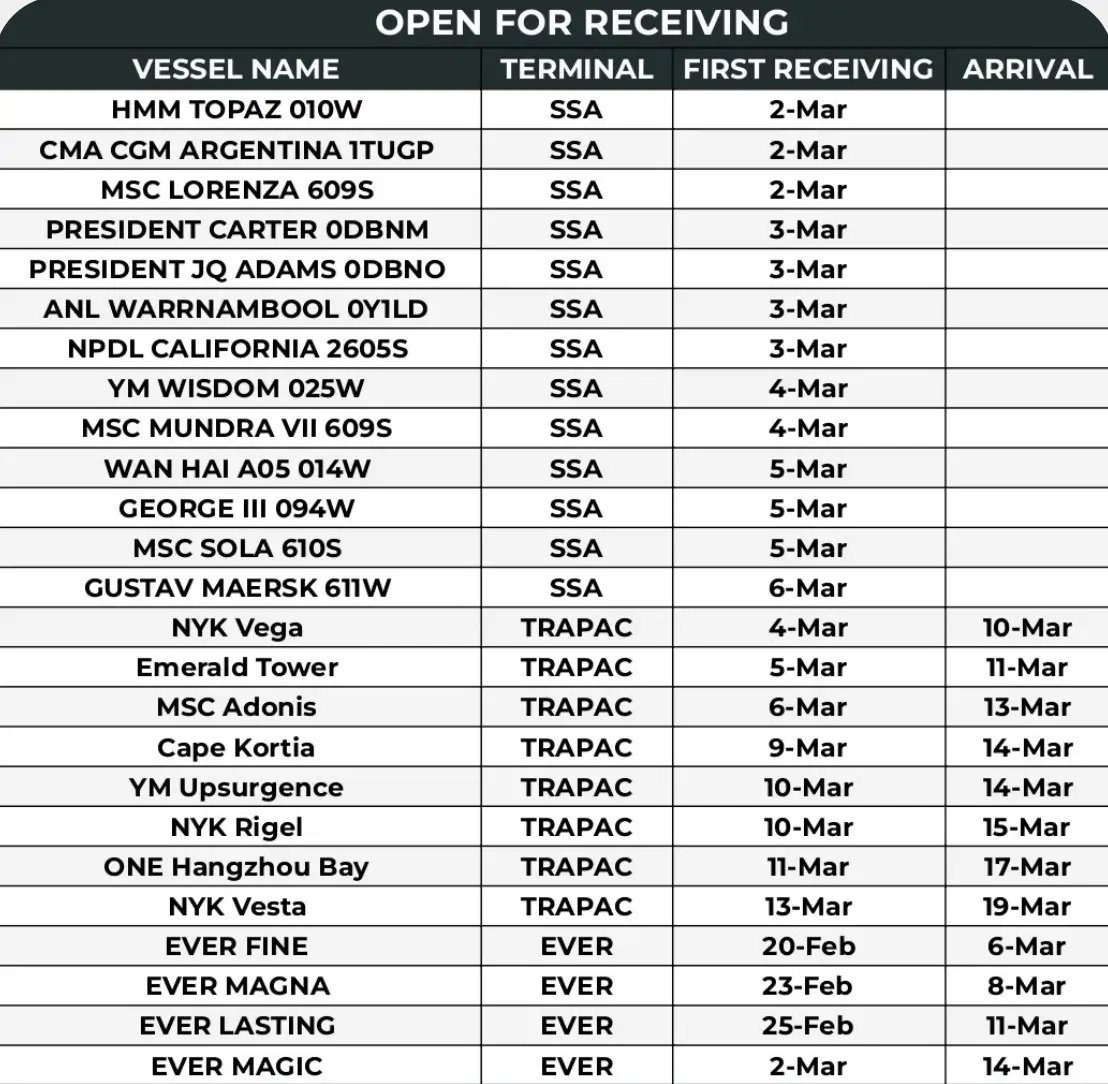
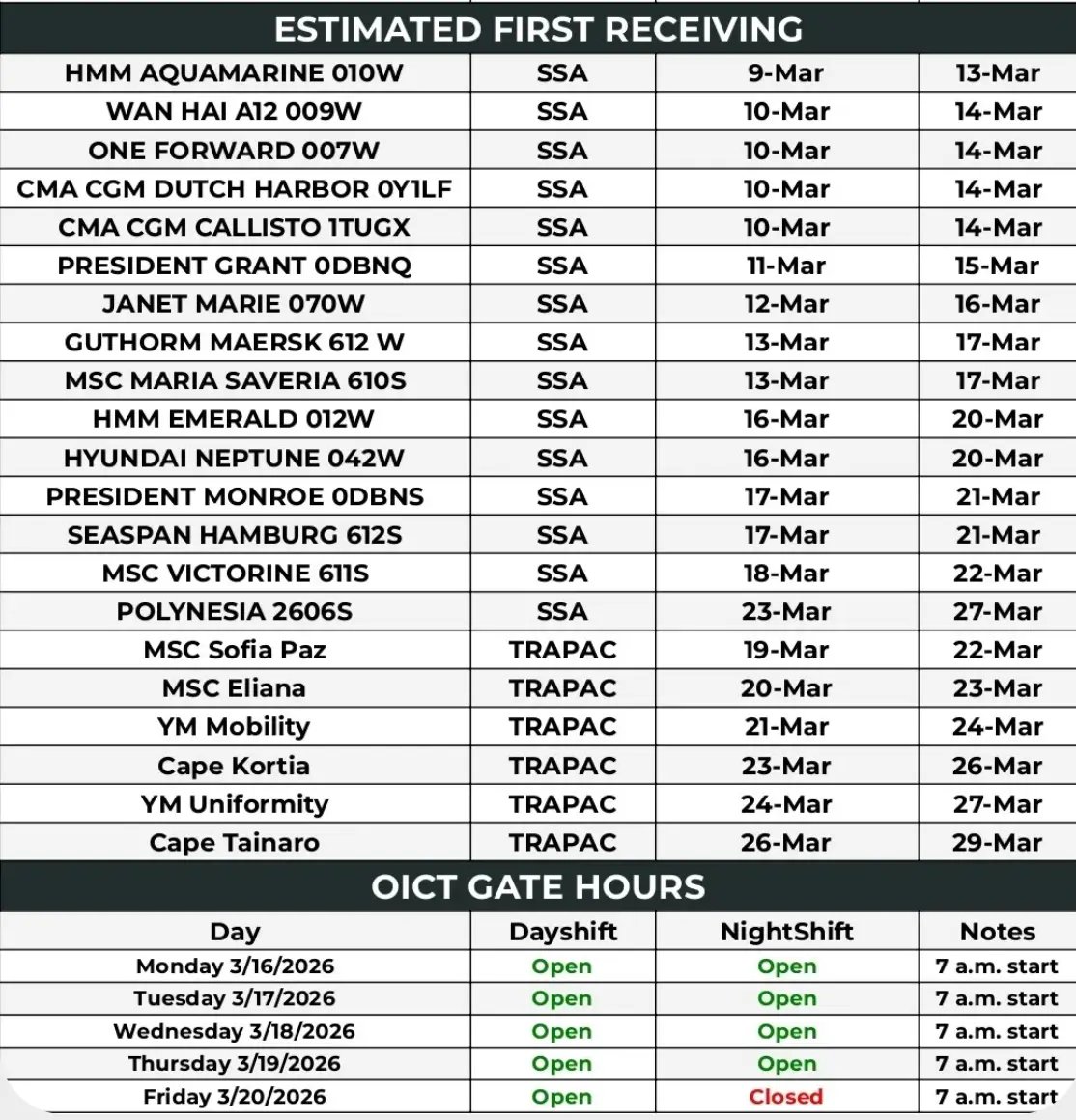
Note: Vessel names, receiving windows, cutoffs, arrival times, and gate hours are all subject to change without notice.
Plan Your Next Oakland Move with OCT
OCT’s latest Port of Oakland update brings together efficiency gains, CARB‑driven capacity changes, Chinese Lunar New Year volume patterns, specialized cargo capabilities, core services, fast quoting, and a live vessel schedule. Taken together, these elements offer a practical framework for planning drayage, transloading, and warehousing around Oakland.
If you are preparing shipments of containers, heavy machinery, coils, reels, insulated loads, or other specialty cargo, this is a good time to align your operations with OCT’s services and schedules so each move is built on clear expectations and current port insight.

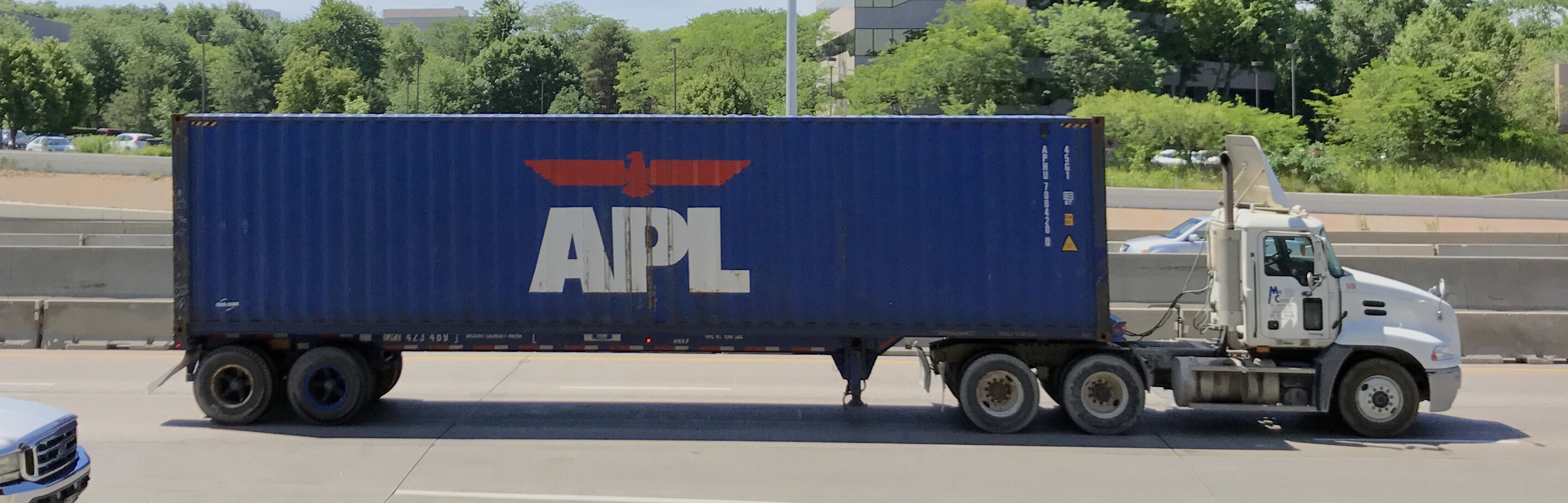
Oakland Drayage Trucking Expertise: Port Logistics & Local Knowledge
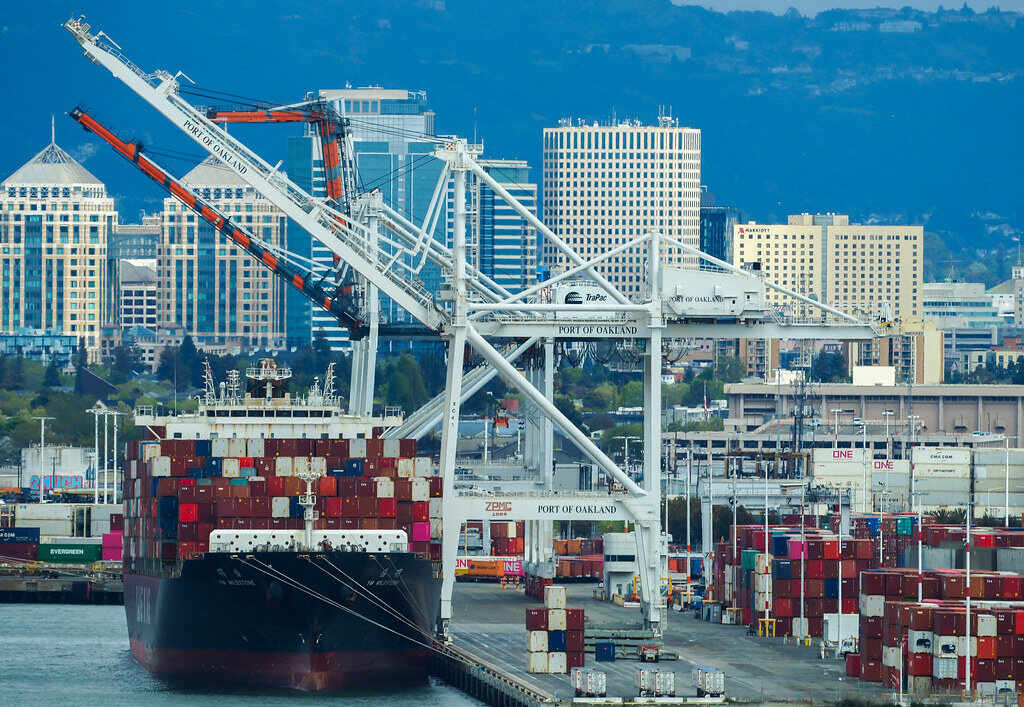
Port of Oakland Joins FLOW initiave to Boost West Coast Logistics
-2.jpg)